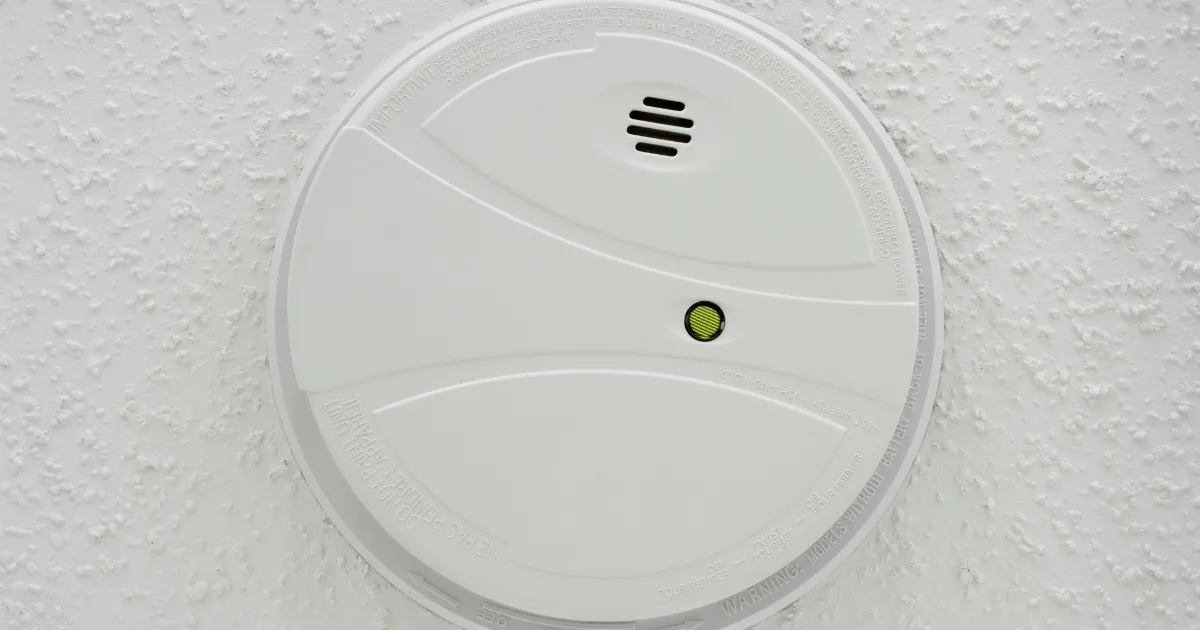
QLD smoke alarm laws are among the strictest in the country, and the final deadline is almost here. From 1 January 2027, every home in Queensland must have interconnected photoelectric smoke alarms. If you own a home on the Sunshine Coast, here is exactly what the law requires, what it means for your place, and how to get compliant before the rush.
The short version: QLD Smoke Alarm Laws
By 1 January 2027, all Queensland homes (owner-occupied, rented, or being sold) must have smoke alarms that are photoelectric, interconnected, and either hardwired or fitted with a 10-year non-removable battery, installed in the right places. Here is who has to comply and by when.
| Situation | What you need | By when |
| Selling or leasing a home | Interconnected photoelectric alarms | Already required |
| Existing rental (lease or renewal) | Interconnected photoelectric alarms | Already required |
| All other homes (owner-occupied) | Interconnected photoelectric alarms | 1st January 2027 |
The three rules every QLD home must meet
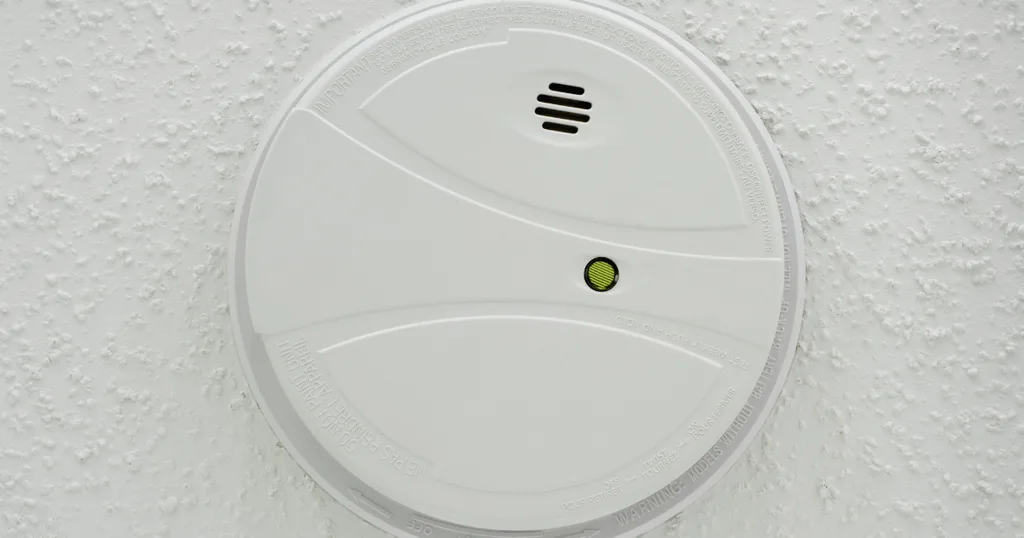
1. Photoelectric. Alarms must be photoelectric (they sense smoke with a light sensor and react faster to the smouldering fires most common in homes). Old ionisation alarms no longer meet the standard.
2. Interconnected. All alarms in the home must be interconnected, so when one detects smoke, every alarm sounds. This can be done with hardwired alarms or wireless ones that talk to each other.
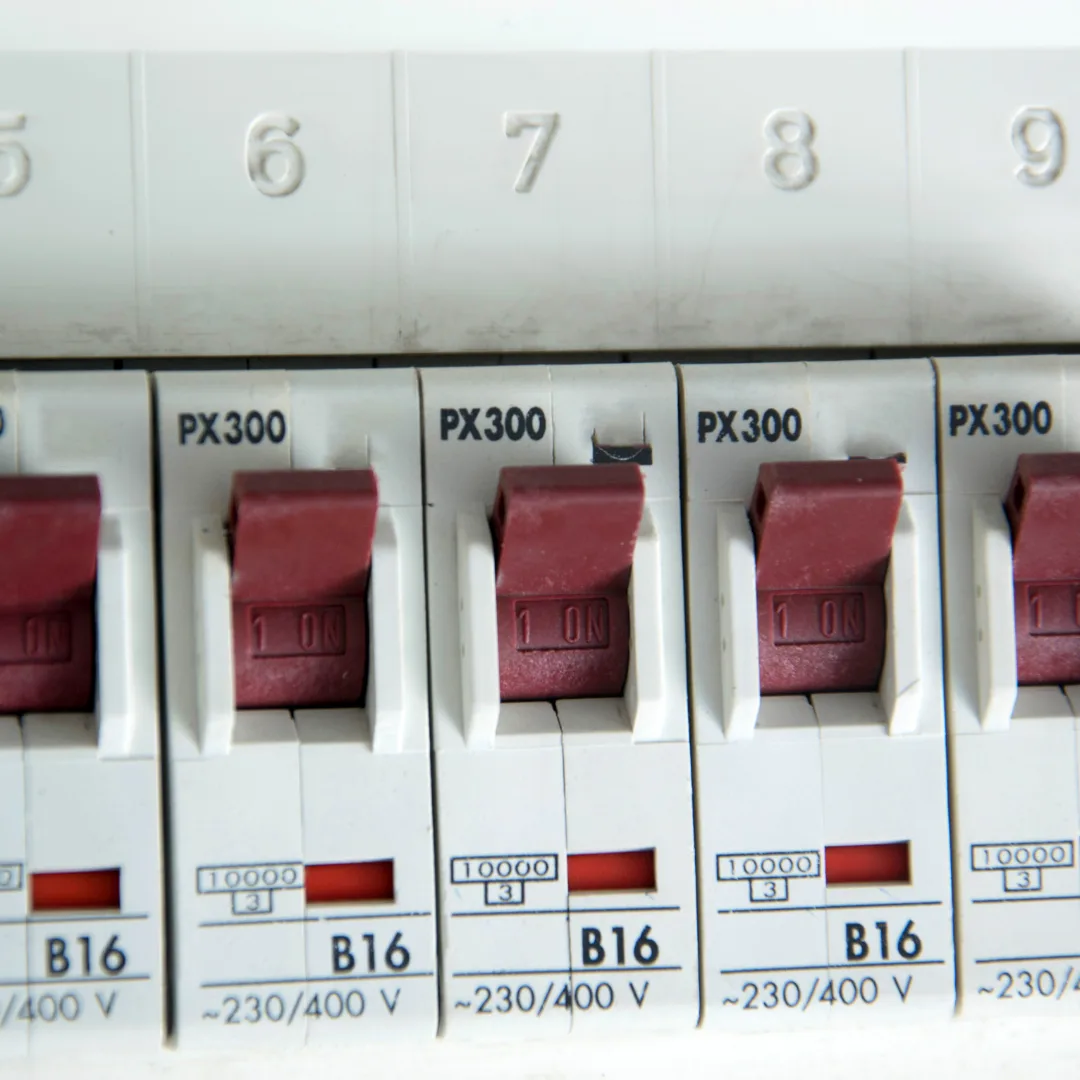
3. Hardwired or 10-year battery. Each alarm must be either hardwired to the mains or powered by a non-removable 10-year lithium battery. No more swapping 9-volt batteries.
Where do smoke alarms have to go?
Compliant homes need a photoelectric smoke alarm:
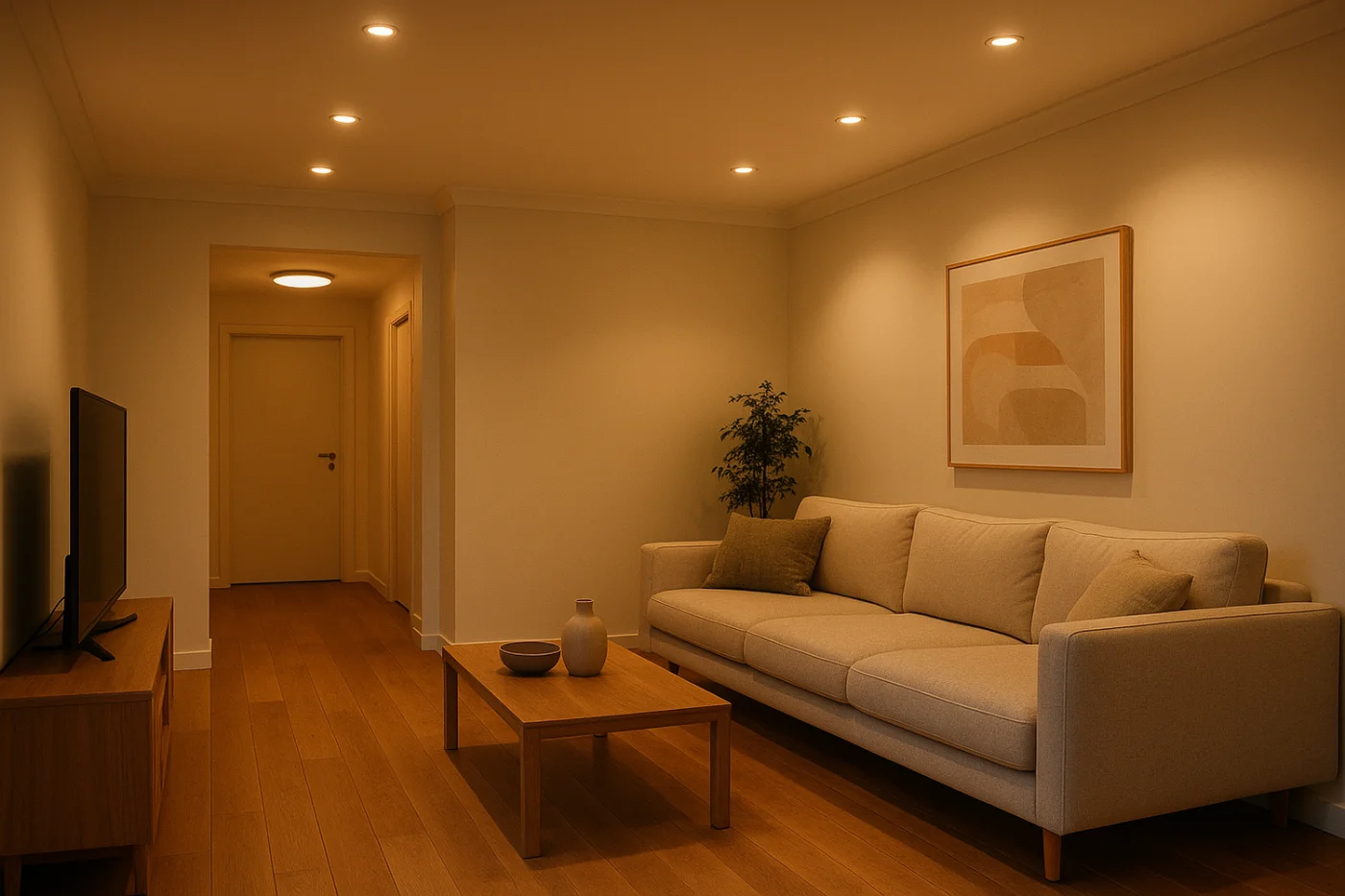
- in every bedroom
- in hallways that connect bedrooms to the rest of the home
- on every storey, even levels without a bedroom
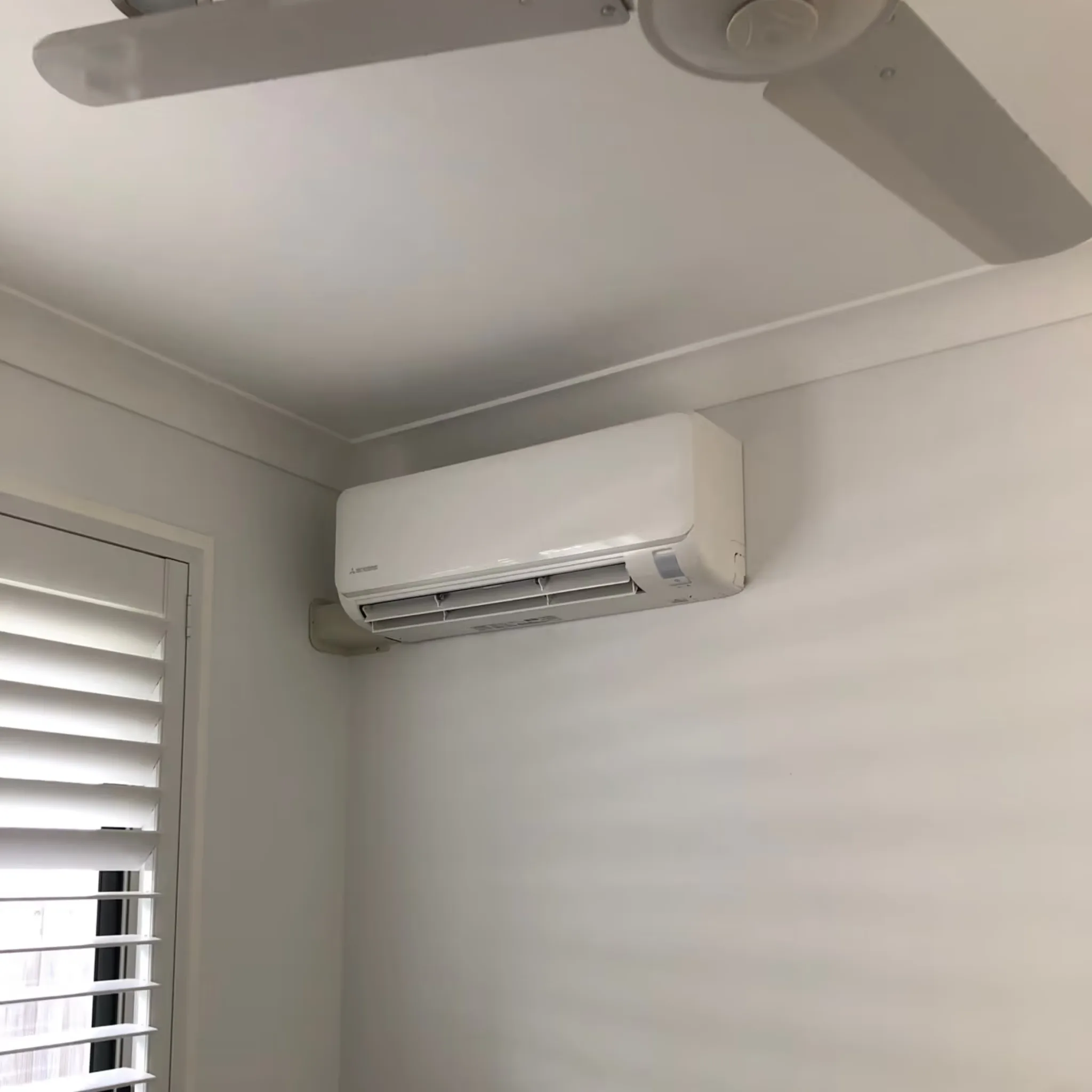
They must not be placed too close to cooking appliances, bathrooms, or ceiling fans, where they can nuisance-trip. Correct placement is part of getting it right, and part of what a licensed electrician sorts out for you.
Can I install them myself?
You can fit a 10-year battery alarm yourself, but hardwired alarms must be installed by a licensed electrician, and getting a professional to assess the whole home is the only way to be sure you are genuinely compliant, correctly interconnected, and correctly placed. It is also a safety system for your family, so it is worth doing properly.
What happens if I am not compliant?
For owner-occupiers, the 1 January 2027 date is the legal requirement for all homes. If you are selling or leasing, non-compliance can hold up the sale or lease and expose you to penalties, and most importantly, non-compliant alarms put your household at risk. Interconnected photoelectric alarms are proven to give earlier warning, which saves lives.
How to get your home compliant.
The simplest path is a compliance check with a licensed electrician: they confirm what you have, tell you what is missing, and install compliant alarms in one visit. DYFA Electrical does exactly this across the Sunshine Coast. See our smoke alarm installation service, or call us for a fixed quote.
Frequently Asked Questions
Do smoke alarms need to hardwired in QLD?
They must be hardwired OR powered by a non-removable 10-year battery, and interconnected. Hardwiring is common but not the only compliant option.
Can I sell a house in QLD without compliant smoke alarms?
Homes being sold already need interconnected photoelectric alarms. It is best to be compliant well before you list.
How long do smoke alarms last?
Smoke alarms must be replaced at least every ten years, or sooner if they are faulty or past their expiry date printed on the unit.
Who can install smoke alarms in Queensland?
Hardwired alarms must be installed by a licensed electrician. DYFA Electrical is fully licensed and installs across the Sunshine Coast.